
A Little Music Goes a Long Way: What I Learned at the “Building Relevance, Connection & Community through Early Childhood & Youth Programming” Session
Explore how youth-focused arts organizations can support early childhood development through music education.
As National Arts and Humanities Month comes to a close, ACSO continues the celebration with a blog by Conference and Marketing Intern Sairaksha Thirunavukkarasu. Inspired by a session at ACSO's 2026 Annual Conference, she explores how youth-focused arts organizations can support early childhood development through music education.
Think for a moment about a song from your childhood. What are your memories around it? How did it (or does it still) make you feel?
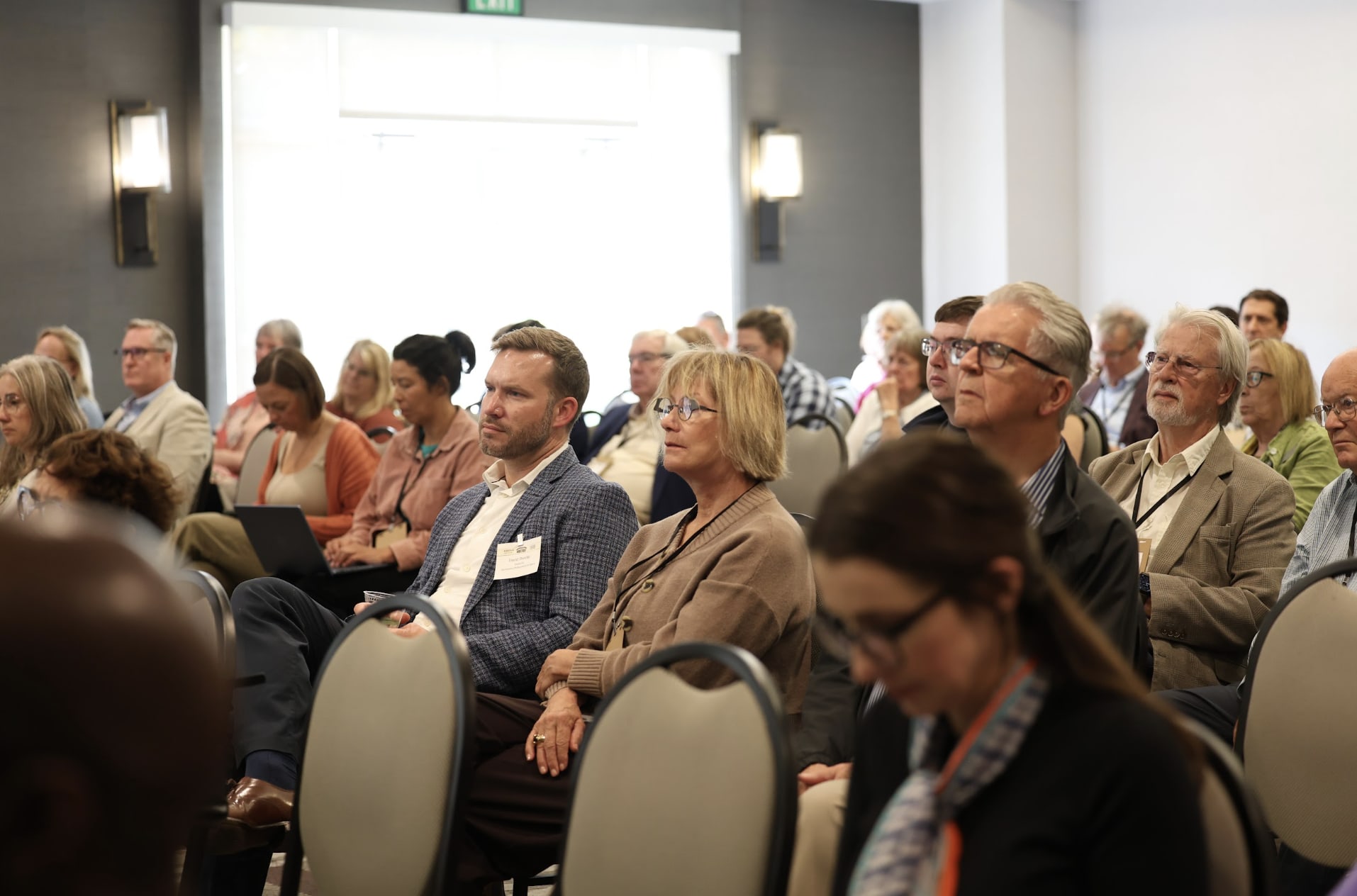
By asking the audience to reflect on their early music memories, Kate Battenfeld, Executive Director at the San Diego Youth Symphony, highlighted the tremendous benefits of early music learning at the Building Relevance, Connection, and Community through Early Childhood and Youth Programming session at the 2026 ACSO Annual Conference.
For myself, I remember singing holiday songs with my entire elementary school on the day before winter break. My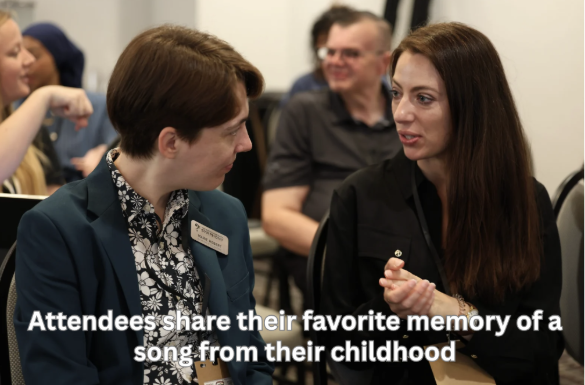 favorite song was “Rudolph the Red-Nosed Reindeer,” during the end of which our PE teacher would walk in dressed as Santa Claus! I loved the camaraderie of singing boisterously with my peers, all of us slightly out of key but happily unaware of the fact.
Whether you’re part of the orchestral world or not, many of us can agree about the pivotal role of music in shaping our most formative moments. In this session, I learned that music extends beyond building community into actually improving our brains and behavior. Hence, the importance of connecting young minds to music early on.
“From birth, children are hard-wired to sing in tune and move with accurate rhythm,” said Battenfeld. In fact, the brain is at its most receptive during the first five years, during which music education can have a major impact on the development of neurological connections.
Singing, in particular, fosters strong personal connections and cultural links that are incredibly beneficial for children. Another one of my favorite musical memories can attest to this; when I was in high school, I was a lifeguard at a children’s swim school. My favorite classes to guard were the Minis (ages 0-1), where parents and their babies would play together in the pool. The babies’ favorite part would usually be our interactive songs such as “If You’re Happy and You Know It” and “This is the Way we Kick Our Feet...” The singing combined with corresponding motions helped the babies recognize and follow a distinctive pattern.
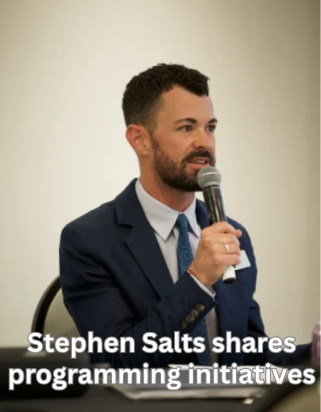
Stephen Salts, Director of Impact and Innovation at the San Diego Symphony, said, “The goal is not just [to build] pathways but a musical ecosystem for children.” He discussed actionable ways in which orchestras can connect their youth communities to music.
These strategies are already proven to be successful as they are implemented in the San Diego Symphony Kids Series, which is in partnership with ChIMES, an early childhood music program.
 For example, children ages 0-5 can only focus on so many stimuli at once, so it’s best to use smaller performance spaces and a chamber ensemble instead of a full orchestra. Similarly, performers are encouraged to wear fun, brightly colored clothes and know beforehand that they will likely be moving around with their instrument to provide a more dynamic, visually engaging experience. Offering pre-concert activities can also help keep kids engaged prior to the performance. The San Diego Symphony has coloring activities, craft-making, a reading corner, and an instrument exploration zone!
Additionally, to make things stress-free for parents, provide a dedicated space for stroller parking. Also ensure that the concert hall and venue are child-proofed, which includes covering sharp edges.
Another factor that I really appreciated learning about is how orchestras can program for children with neurodivergent needs. The San Diego Symphony partnered with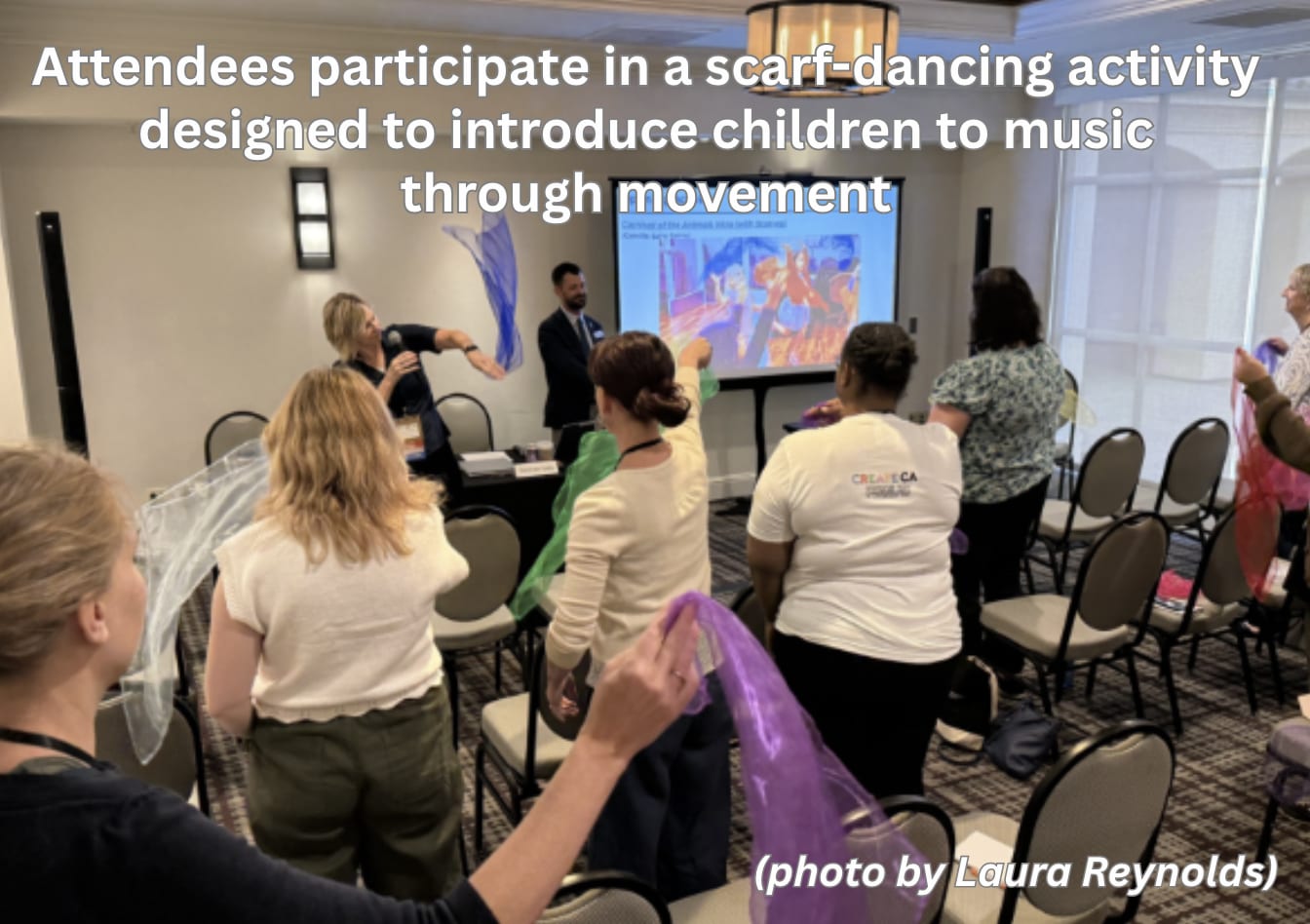 SDSU’s Center for Autism and Developmental Disorders, who were able to point out all the areas in the Symphony’s current programming where families may benefit from receiving extra support. For example, providing a quiet room for children to step into if they were overstimulated during the performance and having fidget toys for kids are great ways in which SDS strives to make their program more thoughtful and inclusive. Salts also encouraged orchestras to find community partners like SDSU to better serve their local youth communities.
This session also detailed several other ways to develop youth programs from start to finish, including properly preparing musicians beforehand as well as adding post-concert activities for families, all of which I encourage you to check out in the session slides.
Prior to this, I did not realize just how much thought and effort is required in youth program planning and production management. There’s plenty of moving parts, all of which engage children’s visual, auditory, and/or tactile senses while also nurturing their inner creativity and building community.
Battenfeld cited musician and educator Christopher Small, who stated, “In most non-European cultures, music is 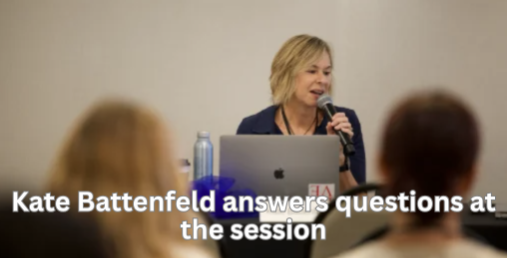 regarded almost as part of technology, that is, as one of the skills of staying alive and well.” Until attending this session, I had always viewed music as part of the background noise in my life - beautiful and engaging but a passive presence that I simply enjoyed at times.
By reflecting on my experiences and learning how music benefits children, I now recognize it as a living, breathing force that fosters connection, supports emotional well-being, and influences how we interact within our world.
As orchestra administrators, developing youth programs provides us with an amazing opportunity to be a small part of someone’s introduction to music. By continuing to improve upon and expand access of youth programming initiatives, we can help children develop music not only as an essential skill but also as a way of life.